


In Conversation · Legal
The ThirdOption
One extended leave or transaction surge can swamp a lean legal department. Daniel Feingold is building the market for the option many legal leaders need before they know what to call it.
A Counsel Collective Feature · September 2026 · 10 Minute Read
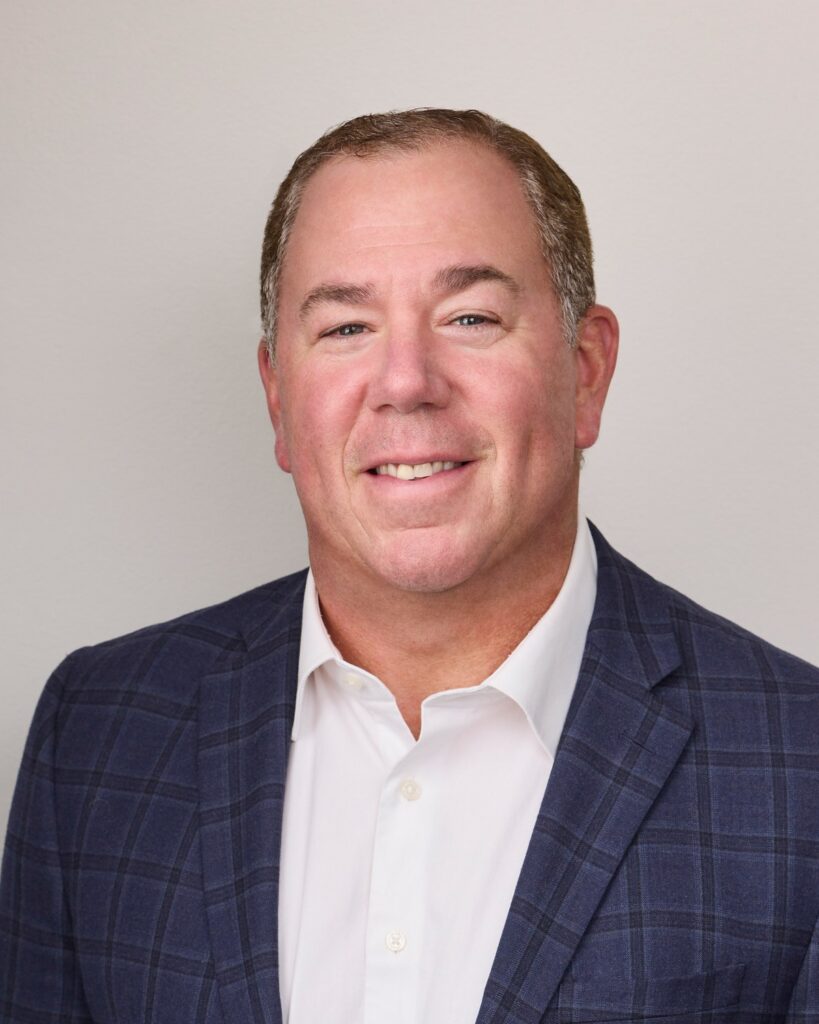
When a legal department is already running lean, one extended leave, transaction surge, regulatory deadline or product launch can create an immediate capacity issue. Daniel Feingold is helping build the market for the option many legal leaders need before they know what to call it.
When one attorney is out for several months, the work rarely pauses with them. Contracts still need to move, regulatory filings still have deadlines and transactions still need support. Daniel Feingold calls leave coverage “one of the cleanest and most predictable drivers of interim legal demand because the work doesn’t stop when the lawyer does.”
He takes those calls for a living. Feingold is Managing Director, Client Development at Major, Lindsey & Africa, based in Los Angeles, covering financial services clients across California, including traditional banking, capital markets, asset management, fintech and digital assets. MLA was founded in 1982 as a legal recruiting and executive search firm, and its Interim Legal Talent offering has become an increasingly important part of how the firm supports in-house legal departments. Through June 2026, MLA reports 136% year-over-year growth in placements on interim assignments across its in-house client base.
Even so, awareness is still uneven. “It’s not uncommon for a General Counsel to tell us that an interim offering is something they were unaware of,” Feingold says. The need is often clear before the terminology is. Many legal leaders know they have a capacity problem before they know interim legal talent may be a viable solution.
16
Practice areas MLA’s interim team covers
1982
The year Major, Lindsey & Africa was founded
3
Options on the table once interim talent is one of them
Six months of work in six weeks
The demand does not come from one place, which is part of why it can be hard to see in full. Feingold points to familiar triggers: a funding round, an M&A transaction or IPO preparation, the launch of a new product, large commercial contracting initiatives, litigation surges or large-scale due diligence reviews. Any one of them can land on a team that was sized correctly for last year, but not necessarily for the moment in front of it.
“The legal team may be perfectly staffed for normal operations but suddenly have six months of work that needs to be done in six weeks,” he says.
The need often comes down to a simple distinction: “I don’t need another permanent lawyer. I need three experienced lawyers for four months.”
That gap, between what a department is built to handle and what the business suddenly needs, is where interim legal talent can become strategic. “Legal departments often hit a wall when demand, regulatory complexity, or business growth outpace the structure they were originally built for,” Feingold says.
He knows exactly why he frames it that way. “That’s a strategic argument, not a staffing argument, which tends to resonate more with senior legal leaders.”
The staffing argument still matters. “Permanent headcount budget is constrained more than ever,” he says. Interim legal talent can often move faster than a permanent search, giving legal departments access to experienced attorneys when the work cannot wait.
The third option
The category has an image problem, and Feingold names it before anyone else can. Although MLA offers services on an interim basis, he says, “we don’t have the same brand or business model as a ‘temp agency.'” His counter-description is short: “We are trusted advisors who partner with you to solve complex business problems.”
That is the argument he wants to make about the market. “Today, most organizations face a binary choice, hire a full-time lawyer or engage a law firm.” Everything he does in California is an attempt to add a third option to that menu: experienced interim legal talent for work that is real, urgent and specialized, but may not require a permanent hire or a law firm solution. “We want to introduce and build a very formidable third option,” he says.
The resistance he meets most often is a quiet assumption about quality, the belief that an alternative provider must be a step down. Feingold treats that as the wrong frame. A law firm, a permanent hire and interim counsel each solve different business problems, and the right choice depends on the work in front of the department. MLA’s interim talent network includes attorneys with AmLaw and in-house experience, and Feingold believes the match comes through access, close intake and a clear understanding of the client’s business, culture, specializations and daily demands.
“Knowing your business well allows us to match the right talent to the right need,” he says.
That is the version of the category he is building. The version he pushes back against is the one where a company calls a number, receives a body, and manages the rest alone.
The practice-area map behind the third option, from commercial and contracts to fintech, privacy, M&A and litigation, across the U.S., EMEA and APAC.
The talent side of the market
The client side is only half of the equation. The success of the interim model depends on talented attorneys who are eager to build their careers in a different and often highly rewarding way. For many professionals, interim work provides an opportunity to expand their skill set, gain exposure to new industries and organizations, and build a broader professional network, all while enjoying greater flexibility and control over their careers.
“In a market where demand can sometimes exceed the available talent pool, deep, established relationships are critical to bridging those gaps,” Feingold says. “This is where MLA shines. Our long-standing relationships with exceptional legal talent allow us to connect attorneys with opportunities that align with their expertise, interests, and career goals, while delivering critical support to our clients.”
His answer to what makes a great interim lawyer arrives without hesitation: relevant experience, flexibility, adaptability, and mindset. That final quality often makes the biggest difference. Interim work can be onsite, remote, or hybrid, and it can provide exposure to a variety of organizations, industries, and legal challenges in a relatively short period of time. For attorneys who embrace the model, each engagement becomes an opportunity to learn, grow, and broaden their experience. Rather than viewing interim work as a temporary alternative, many see it as a strategic way to build new skills, expand their professional reach, and shape a career that reflects their personal and professional priorities.
Before MLA, Feingold spent decades as an executive sales leader in IT services, a talent market where flexible models were already mature. That experience shaped his view of interim legal talent: candidate relationships need to be built before an assignment exists, and fit matters. “There are tremendous efficiencies lost when an interim candidate doesn’t align to their assignment and moves on,” he says. The aim is not simply to fill the seat. The aim is to get the match right.
“I’ve worked for Dan, and along side of Dan, for over 15 years. In that time, I’ve observed his passion for serving clients and his drive to accomplish goals. As Dan continues to execute his strategy for MLA, there is no doubt that the organization and his clients will benefit. Legal staffing is no longer an alternative workforce strategy. It is becoming a cornerstone of modern legal operations. I’m excited to see where Dan and MLA Interim can take this business.”
The relationship instinct predates his work at MLA. Feingold credits an early mentor, Scott Belodeau, with modeling a leadership style that gave people room to work independently and grow. More than thirty years later, that lesson still shapes how he thinks about talent relationships. “True leaders measure their success, based on the success of others,” he says.
“I feel very fortunate to count Dan as a friend. He has the highest EQ of any person I’ve ever met, and his integrity is beyond compare. There is little doubt as to why Dan has achieved the level of success in business, family and in life that we all aspire to. This translates to his client service approach and the way in which he will help MLA to build this business. With the growing role of interim legal talent, his client focus will be greatly welcomed.”
Why California, why now
MLA’s finance practice was built where finance was built. “New York is still the primary legal market in the world,” Feingold says, and he has no interest in arguing otherwise. Investment banking, capital markets, asset management and the traditional institutions still concentrate there, and MLA’s history with those clients runs deep.
His bet is that the second center has matured enough to need the same kind of support. “We believe that now is the moment to build on the West Coast due to the thriving nature of fintech and digital asset companies,” he says. The opportunity is tied to a broader shift: as payments, lending, banking and wealth management have become more technology-driven, California’s fintech and digital asset ecosystem has created new legal needs around growth, regulation, transactions and risk, a shift traced in Morrison Foerster’s July 2026 California Digital Asset and Fintech Update.
The division of labor he describes is clear. New York remains a center of finance expertise. “The Bay Area specialized in technology-driven financial disruption,” he says. Both markets matter, but Feingold sees room to further develop the interim legal talent market alongside California’s technology-driven financial services ecosystem.
So he is building both sides at once: client relationships and a strong network of interim legal talent in a market where legal needs can arrive faster than legal departments are able to grow. “Incredibly rewarding to build and succeed in these efforts,” he says.
“Since day one, I have seen the ambition that Dan has towards this new phase of his career. After several years in this industry, he still has the strong desire to achieve customer outcomes and help his company grow. Expanding the footprint of MLA across the financial services industry is something that Dan is highly dedicated to. It will be exciting to see how MLA and Dan can build this business across California.”
Feingold made his own career move on a similar belief in market change. After decades in IT services, he joined an alternative legal services provider instead of choosing a more predictable late-career path. “Rather than coast to the finish line, I chose to pick up my pace, lean into a new challenge, and learn something that was very interesting to me,” he says.
Most days the work is quieter than any market thesis. He talks with clients before a need arises, learning how their businesses are structured, what they are launching, where pressure is building and whether the legal department is sized for the year it is actually having. “The more that I can understand their business, the more prepared I will be when a need arises.”
Eventually, the funding round closes, the document review expands, the transaction accelerates or an attorney goes on leave for several months. The work does not stop. The value is having a trusted advisor who already understands the business and knows how to respond.
About
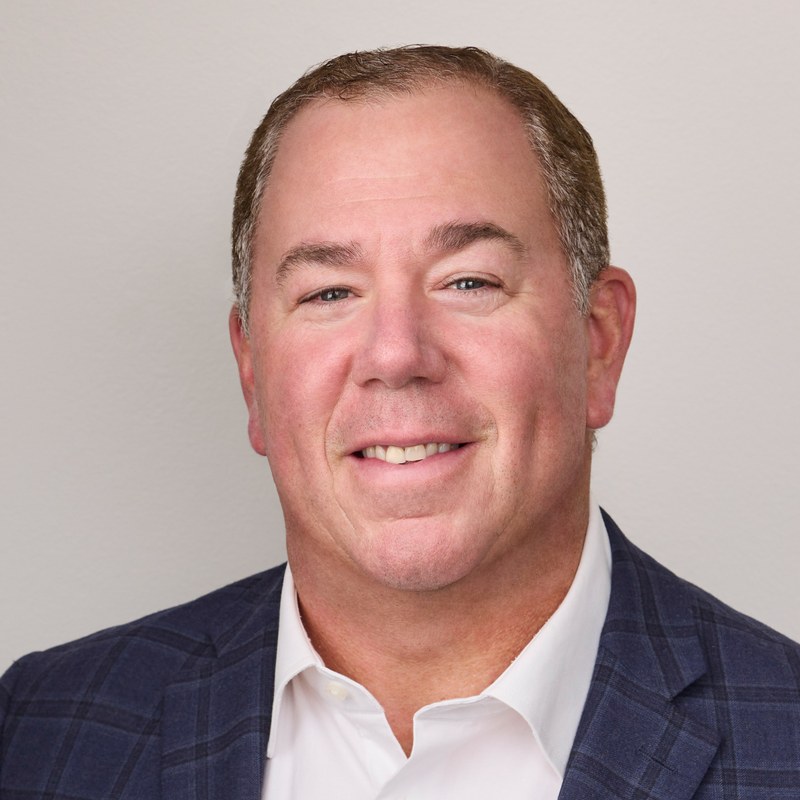
Managing Director, Client Development, Major, Lindsey & Africa
Daniel Feingold is Managing Director, Client Development in the Interim Practice Group at Major, Lindsey & Africa, based in Los Angeles. He covers financial services clients across California, from traditional banking and asset management to fintech and digital assets, after decades as an executive sales leader in IT services.