
In Conversation · The Builders
The Same Bet,Twice
He advised on more than $30 billion in transactions at Goldman Sachs and helped scale software companies from the inside. Then he walked away to give the businesses that power the American economy the one thing they almost never get: someone who has made their bet before.
A Counsel Collective Feature · 2026
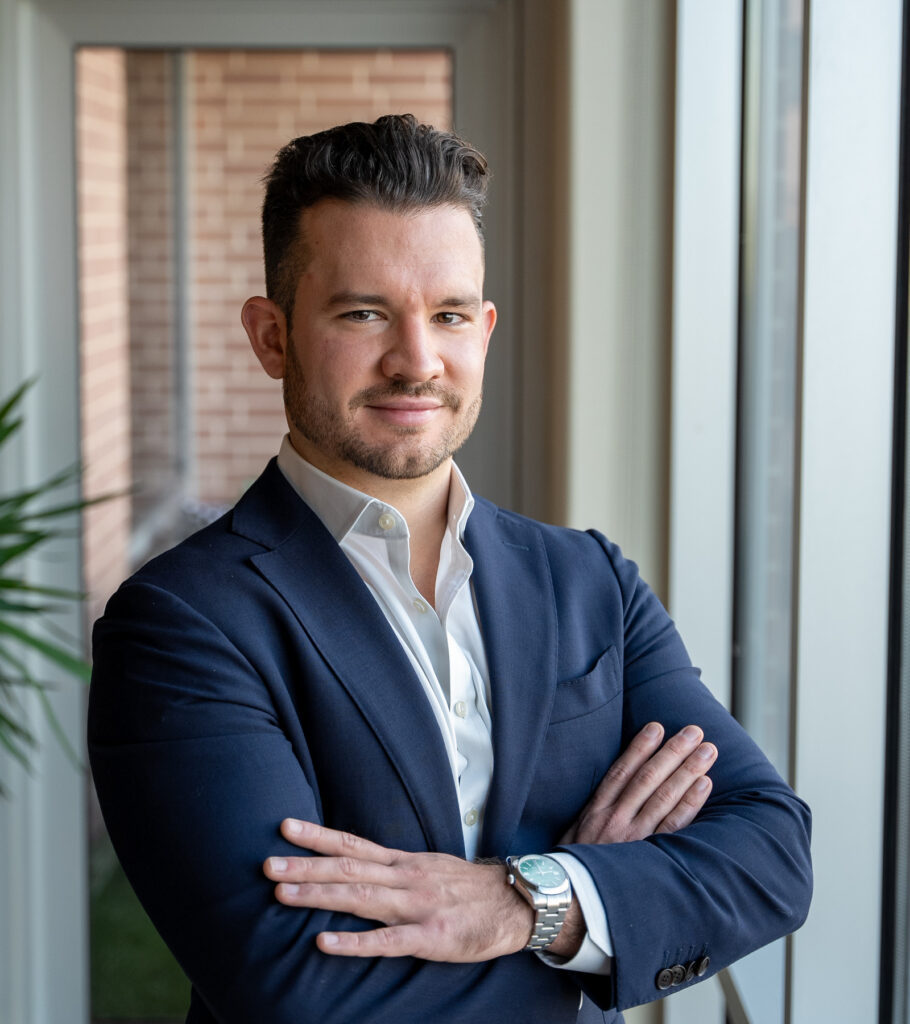
On the courts where Oscar Casanova learned to play basketball in Mexico, he was almost always the shortest player out there. He could not do anything about that. So he did something about everything else. He got faster. He got more disciplined. He wrung more out of every possession than the taller players bothered to. The thing that was supposed to sink him became the reason he could compete at all.
He did not have a word for it then. He has one now. “When you can’t change the circumstances, you change the standard you hold yourself to,” he says. The height stayed fixed. The standard did not.
In 2011 he carried that same posture across the border. He arrived in the United States with no network and no shortcut, enrolled at the University of Texas at El Paso, and approached the whole country the way he had approached a mismatch on the basketball court. “I arrived with no network, no shortcuts, and plenty of reasons why the odds were stacked against me,” he says. He had already learned the lesson that would organize the next fifteen years of his life. Disadvantages, in his telling, are not obstacles to be survived. “Disadvantages can become an unfair advantage, because they force you to develop strengths you might never have built otherwise.”
This is the thread worth following, because Casanova has pulled it through every chapter since. Leaving Mexico. Wall Street. The operator’s chair inside fast-growing companies. And, in February of 2026, walking away from all of it to build something of his own. Each move began the same way, with a step into uncertainty taken before the outcome was visible. He has made essentially one bet, over and over, and he has made it before he could see how it would land.
Disadvantages can become an unfair advantage, because they force you to develop strengths you might never have built otherwise.
The room where the numbers were bigger
He graduated from UTEP in 2016 as a Top Ten Senior, which opened a door most people from his starting point never get near: investment banking at Goldman Sachs. He spent four years there advising on more than $30 billion of mergers, acquisitions, securitizations, and capital raises, practicing finance, as he puts it, at the highest level.
One transaction stayed with him long after the others blurred. In 2019 he worked on a $3.5 billion sovereign liability management exercise for the Mexican government, restructuring debt to push out maturities and reduce refinancing risk. The deal was named LatinFinance’s sovereign liability management transaction of the year. He remembers it, though, for something other than the accolade or the mechanics.
“It was realizing that finance isn’t just about money. It’s about creating options,” he says. The decisions on that deal were not simply restructuring numbers on a balance sheet. They were handing a country more room to maneuver against an uncertain future, protecting choices that generations not yet born would inherit. “I remember thinking that the real product of finance wasn’t capital. It was optionality.”
He has carried that sentence into every conversation since. Whether the client is a sovereign nation or a founder with fifty employees, the principle holds. A healthy balance sheet and disciplined cash flow are good, but not the ultimate goal. They are what let a leader move when an opportunity finally shows up.
What the boardroom could not teach him
Goldman taught Casanova how to take a business apart and see how it worked. It could not teach him how hard it is to build one. For that he had to leave.
Between 2020 and 2026 he went inside the companies he might once have advised from across a table. He joined Tend Money when it was pre-revenue, to feel what finance looks like when every decision lands directly on the future of the company. He helped scale Brightwheel through its Series C, then Attentive through its Series E, one of the fastest-growing software companies in the world. He spent two years at Zillow partnering with senior leaders on long-range planning at public-company scale, and a final stretch at Shopify that sharpened a conviction already forming.
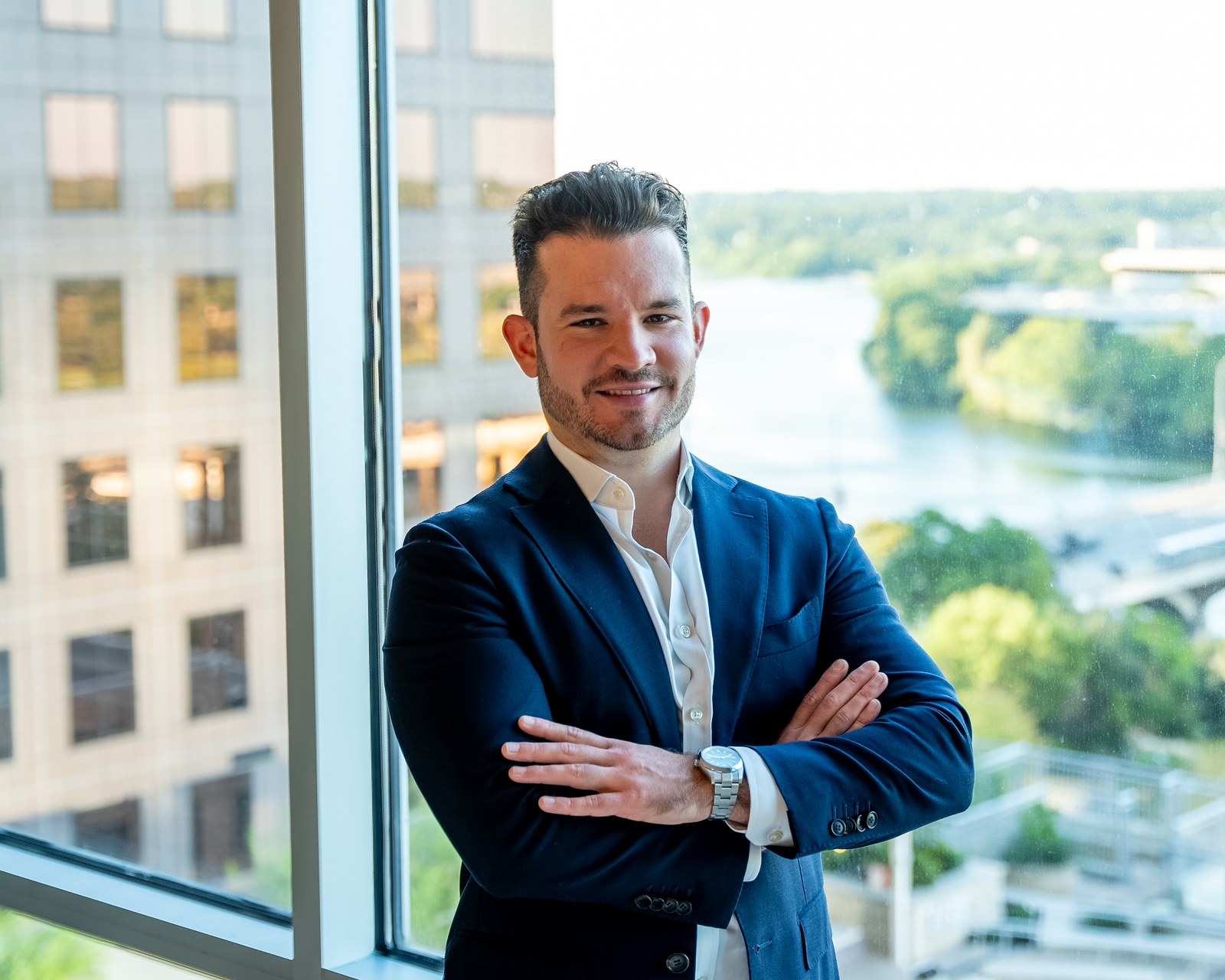
The operator’s chair changed how he thinks. “Goldman taught me how to analyze businesses. Operating inside companies taught me how difficult it is to build one,” he says. A banker is trained to evaluate markets and long-term value. Sitting inside a business, he learned that even a brilliant strategy is only worth as much as an organization’s ability to execute it, and that execution is relentlessly messy. Every decision competes for limited time, limited attention, limited people. Priorities shift. Markets move.
So he changed the question he asks. It is no longer only whether a strategy is right. It is whether the team in front of him can actually carry it out. “Businesses don’t succeed because they make perfect decisions,” he says. “They succeed because they consistently execute good ones.”
He has watched what that looks like when it works. On one engagement he owned the financial strategy behind a new subscription business, where the opportunity was obvious and the hard questions were all about pricing, customer economics, and how to grow without breaking the model underneath. Working across sales, product, and operations, the team refined the model, tested its assumptions, and built for profitability alongside growth. Over the following years the business climbed from roughly $4 million in annual revenue to around $50 million, and it held its unit economics the whole way up. The lesson he took was not that it grew. It was that finance matters most before the decisions get made, not after the results come in.
Businesses don’t succeed because they make perfect decisions. They succeed because they consistently execute good ones.
Saying it out loud
By early 2026 a quiet disagreement had been running inside him for years. From the outside, everything pointed the right direction. He had built more than a decade of a career alongside exceptional companies and talented people. Inside, a different account was being kept. “There was a quiet voice that kept telling me I was meant to do something else,” he says. “At first it was easy to ignore. Over time, it became impossible.”
He had always known he wanted to build something. What he had not known was what. For years he searched outward for the idea, convinced entrepreneurship began with a product. It did not resolve until he stopped looking out and started looking in, back over the whole improbable arc from immigrating with almost nothing to a career built across Wall Street and some of the best companies in the world. Then he asked a plain question. Who actually needs strategic finance the most?
The answer was not the Fortune 500. It was the lower middle market, the businesses generating millions in revenue and holding up local economies while making the biggest financial decisions of their lives without the guidance that large companies take for granted. “If not now, when?” he kept thinking.
Deciding was not the hard part. Saying it out loud was. The people closest to him saw the risk before they saw the opportunity, and they were not wrong. On paper, staying was the safer path. But Casanova had come to see a second kind of risk that does not show up on paper, the risk of reaching the end of a career and wondering what might have happened if he had found the nerve to try. “At some point, the fear of asking ‘What if?’ became greater than the fear of failing.”
He is clear-eyed about the price of a bet like this, because he has paid it more than once. “Betting on yourself is choosing conviction over certainty,” he says. “It’s making a decision before you have all the answers and trusting that you’ll figure the rest out along the way.” It costs comfort. It costs predictability, a steady paycheck, outside validation, and oftenly the understanding of the people you love most. There are days when no one believes the vision but you, and you have to show up with the same conviction anyway.
The backbone
Eververdant Growth Partners was founded in February 2026 and runs out of Austin. It partners with businesses in the lower middle market, typically between $1 million and $20 million in revenue, as a strategic thought partner rather than a finance vendor. Finance is the language; the work is helping owners make better decisions and build more valuable companies. For now it is a founder-led firm, and Casanova works directly with every client, which is the point. The vision is to widen that access over time to thousands of entrepreneurs who have never had it.
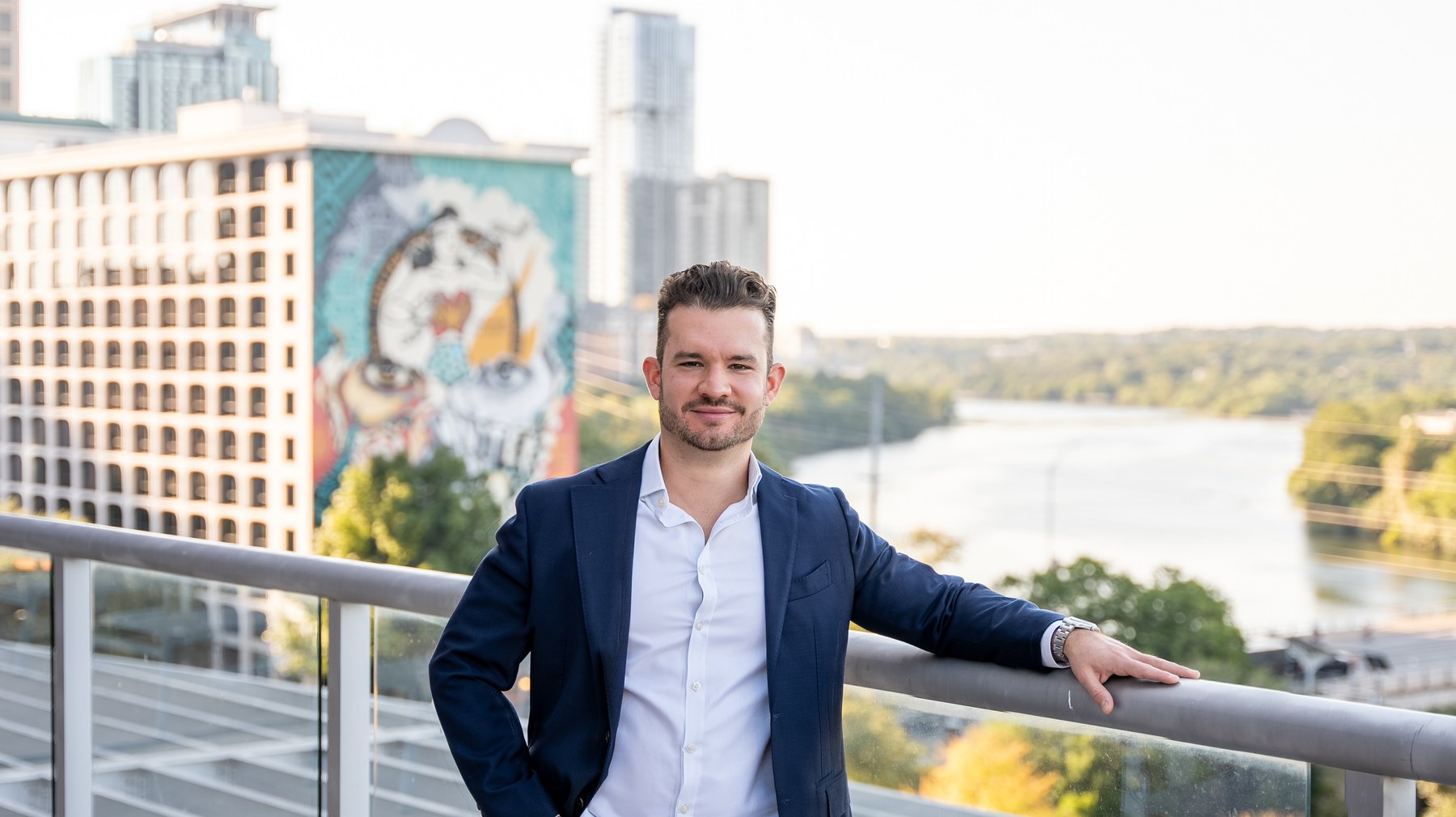
The gap he is aiming at is real, and he describes it with the heat of someone who has watched it up close. “I believe the lower middle market is one of the most overlooked and underserved segments of our economy,” he says. These businesses create the jobs and fuel the communities, and yet many of them make their most consequential decisions without the support that is standard inside larger organizations. The reason, he argues, is that institutional-quality finance has long been treated as a luxury. A big company can afford a full finance team and a seasoned CFO. Most lower-middle-market owners cannot, so they decide with incomplete information, not for any lack of intelligence or ambition but for lack of access.
He is precise about who absorbs the cost. “It hurts the founder who’s carrying the weight of every decision,” he says. It hurts their employees, their customers, and their families. And it thins out the broader economy, because businesses with real potential grow slower, earn less, or never become what they could have been.
Chapters of the same book
Ask Casanova whether the immigrant story and the firm are two stories, and he refuses the premise. “I’ve never viewed my immigrant journey and Eververdant as two separate stories,” he says. “To me, they’re chapters of the same book.”
The line that connects them is the one he has been walking since he left Mexico: the decision to bet on yourself before there is any guarantee it will work. He did it with no roadmap and no proof the bet would pay. Every meaningful opportunity since has opened the same way. It is exactly what he sees founders doing, investing their time and money and reputation in a future no one else can fully picture yet, and it is why he connects with them. He has been where they are standing.
To me, they’re chapters of the same book.
That is also what keeps his work from collapsing into spreadsheets. Models and forecasts are tools. Behind each one is a person carrying the weight of decisions that will shape employees, families, and futures. His job, as he understands it, is not to improve the numbers. It is to help the person make better decisions.
He has two things he wants to say, and they turn out to be the same thing said twice. To the younger man who had just arrived with nothing: stop letting outcomes set your worth, because they rise and fall and will take you with them, and anchor your identity instead in the inputs you actually control. “At the end of your life, your greatest achievement won’t be what you built. It’ll be who you had to become to build it.”
And to the founder staring at a set of numbers and dreading what they say: “Your financial statements aren’t judging you. They’re telling you the truth. And the truth is a gift.” A business does not fail because its numbers reveal a problem. It fails when its owner refuses to look at one.
The shortest player on the court never did get taller. He just kept finding out he was capable of more than the scoreboard suggested. “The bet isn’t really on yourself,” Casanova says. “It’s on the person you’re capable of becoming.”
About
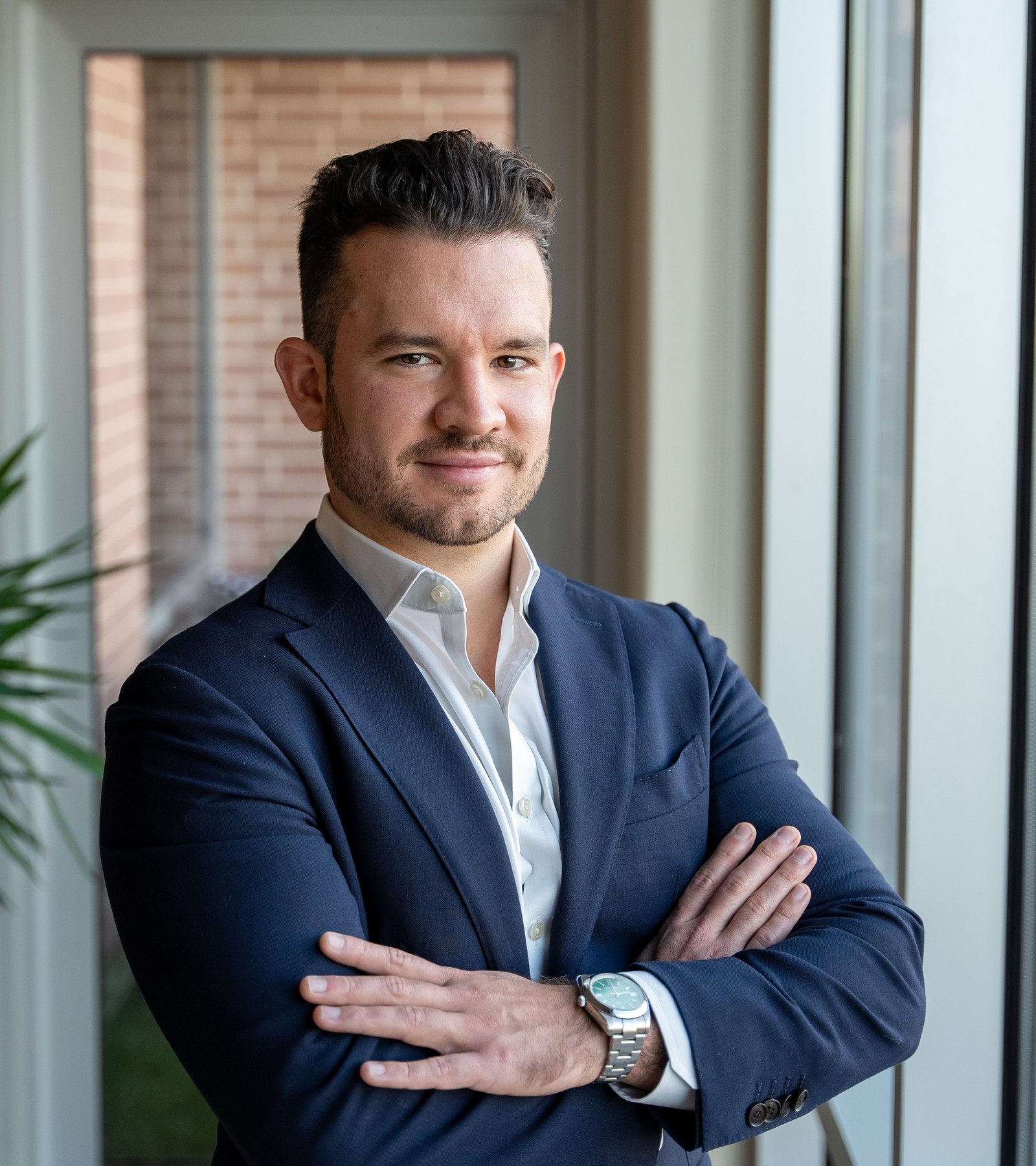
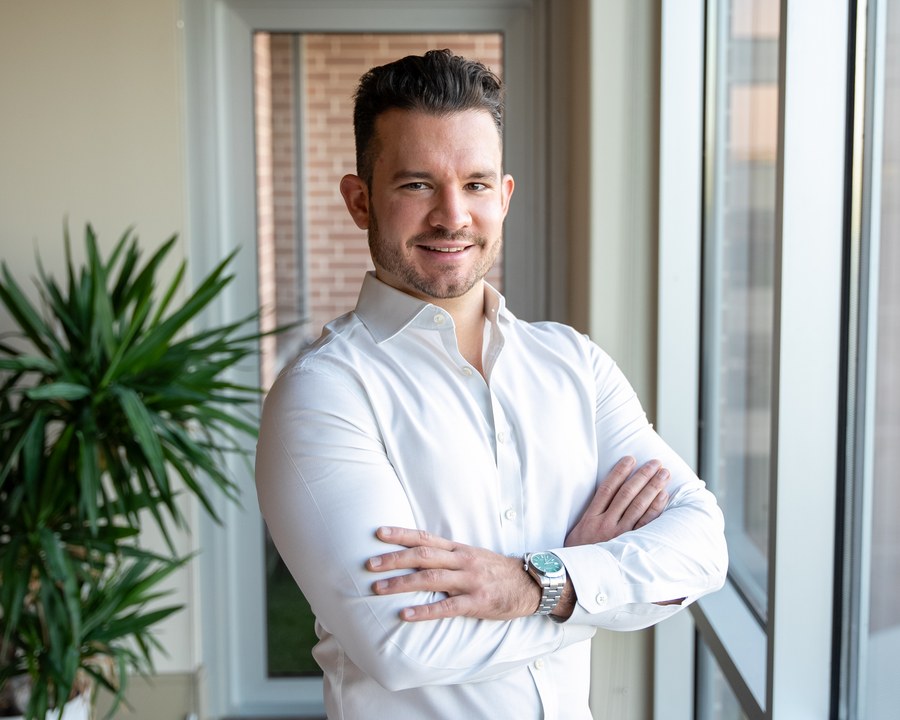
Oscar Casanova
Founder & CEO · Eververdant Growth Partners
Oscar Casanova is the founder and CEO of Eververdant Growth Partners in Austin, Texas. He spent four years in investment banking at Goldman Sachs and six years inside operating companies including Brightwheel, Attentive, Zillow, and Shopify before founding the firm in February 2026 to bring institutional-quality finance to lower-middle-market owners.